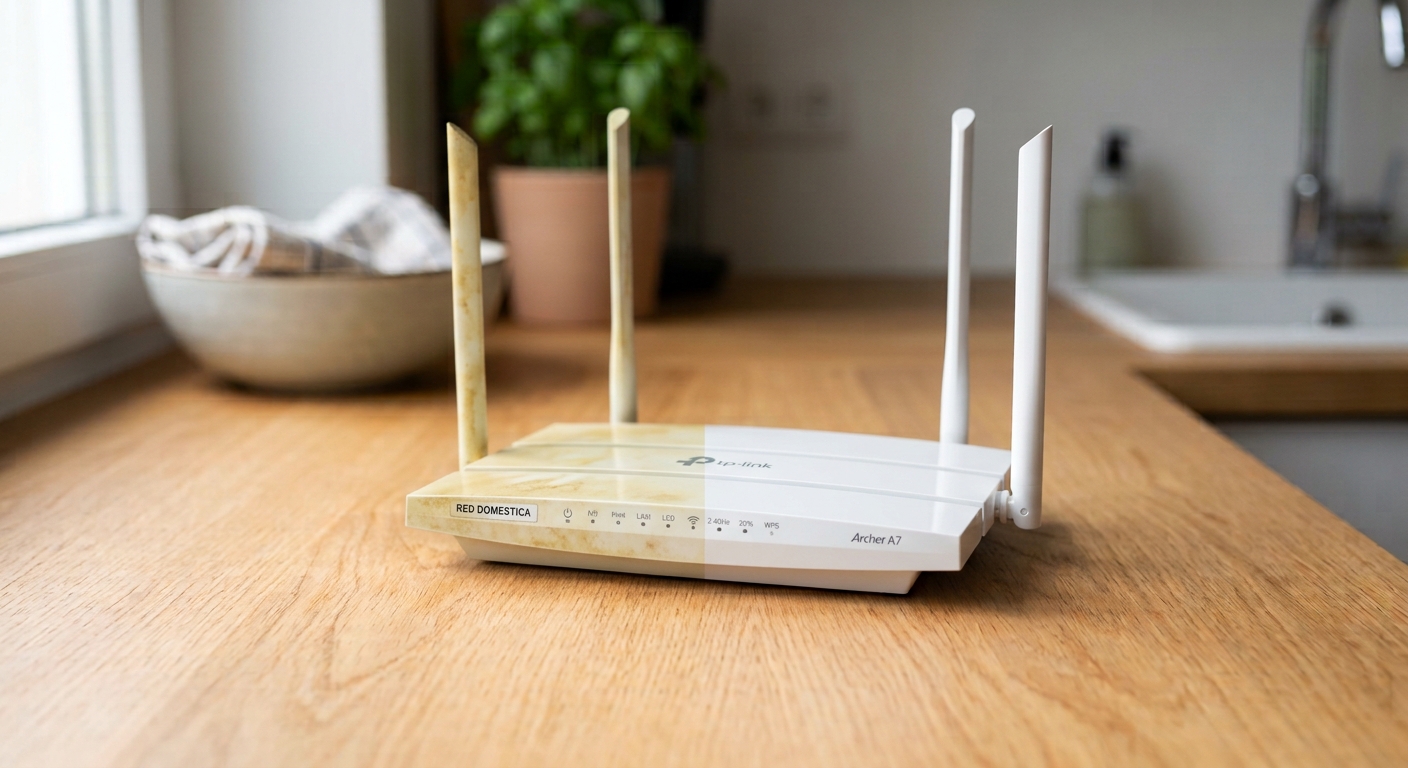
The Problem with Aging White Plastics
White plastic can look clean when it is new, but over time it may develop a yellow, cream, or slightly brown appearance. This is especially common on older appliances, storage containers, electronics, switches, and other household items.
The good news is that yellowed plastic is not always permanently damaged. In some cases, the discoloration is caused by dirt, grease, or surface stains that can be removed with ordinary cleaning. In other cases, the plastic itself has changed color because of age, sunlight, heat, or chemical reactions.
This guide explains how to identify the cause of the discoloration and how to clean yellowed plastic using progressively stronger methods.
Why Plastic Turns Yellow Over Time
Plastic can become yellow for several different reasons.
Common causes include:
- Age: Some plastics naturally change color as they get older.
- UV exposure: Sunlight can contribute to chemical changes in certain plastics.
- Heat: Long-term exposure to heat can accelerate discoloration.
- Smoke and grease: Kitchen smoke, cigarette smoke, and oily residue can leave a yellow film on plastic.
- Chemical aging: Some plastics contain additives that can change over time and contribute to yellowing.
This distinction matters because dirty plastic and genuinely yellowed plastic require different approaches.
If the yellow color disappears after normal cleaning, you are dealing mainly with surface dirt or residue. If the plastic remains yellow after thorough cleaning, the discoloration may be part of the material itself.
Before You Start
Before trying to whiten or restore yellowed plastic, check the following:
- Read the manufacturer’s cleaning instructions, especially if you are working with an appliance or electronic device.
- Test any cleaning method on a small, inconspicuous area first.
- If the item is electrical, unplug it before cleaning and keep liquids away from openings, switches, vents, and internal components.
- Avoid aggressive scrubbing that could scratch or dull the surface.
- Do not assume that a method that works on one type of plastic will work on another.
If the plastic is painted, coated, transparent, or has a decorative finish, use extra caution. A treatment that improves the color of one plastic may damage another surface.
Method 1: Clean the Plastic With Soap and Water
Always start with the gentlest method.
This is the best option when yellowing may actually be caused by grease, dust, smoke residue, or other surface dirt.
What you need:
- Warm water
- A small amount of mild dish soap
- A soft microfiber cloth or sponge
- A clean towel
Steps:
- Mix warm water with a small amount of mild dish soap.
- Dip the cloth or sponge into the solution and wring it out well.
- Gently wipe the plastic surface.
- Pay particular attention to corners, handles, grooves, and textured areas where dirt can accumulate.
- Wipe the surface again with a clean, damp cloth.
- Dry it thoroughly with a soft towel.
Avoid soaking electrical components or allowing water to enter openings.
Does it work?
If the yellow appearance is caused by surface grime, this simple method may make a noticeable difference.
If the plastic remains yellow after cleaning, the discoloration is more likely related to aging or chemical changes within the plastic.
Method 2: Try a Gentle Baking Soda Paste
For stubborn surface marks, baking soda can sometimes help because it provides mild abrasive action.
What you need:
- Baking soda
- A small amount of water
- A soft cloth or sponge
Steps:
- Mix a small amount of baking soda with water to form a soft paste.
- Apply a small amount to the affected area.
- Gently rub the surface using light pressure.
- Do not scrub aggressively.
- Wipe away the residue with a damp cloth.
- Dry the plastic completely.
Important note: Baking soda is not a chemical solution for plastic that has yellowed internally. It may help with surface dirt and staining, but it will not necessarily reverse age-related discoloration.
It can also leave fine scratches on some glossy or delicate plastics, so always test it first.
Method 3: Hydrogen Peroxide for Severely Yellowed Plastic
If the plastic has been thoroughly cleaned but remains yellow, some restoration techniques use hydrogen peroxide to improve the appearance of certain aged plastics.
This approach is sometimes associated with the restoration technique known as Retrobright.
However, it is important to understand that hydrogen peroxide treatment is not the same as ordinary cleaning. It is a restoration process, and the result depends on the type, condition, and formulation of the plastic.
For that reason, do not treat every yellow plastic surface with hydrogen peroxide automatically.
Before using hydrogen peroxide
Keep these points in mind:
- Check the manufacturer’s instructions whenever possible.
- Test a hidden area first.
- Use a hydrogen peroxide product appropriate for the intended application and follow its label directions.
- Wear appropriate protective equipment recommended by the product manufacturer.
- Work in a well-ventilated area.
- Protect nearby surfaces from accidental contact.
- Keep the treatment away from children and pets.
- Never apply liquids to a plugged-in electrical appliance.
- Avoid using the method on painted, coated, transparent, or otherwise delicate surfaces unless you know the material is compatible.
How the treatment works
Hydrogen peroxide can participate in chemical reactions that alter some of the compounds responsible for discoloration in aged plastics. UV or other light exposure is sometimes used as part of restoration methods.
The important word is some.
Not every plastic responds in the same way, and a treatment that works well on one object may produce a different result on another.
For this reason, a small test area is one of the most important steps.
A safer approach: Rather than treating an entire appliance or valuable object immediately, start with a small, hidden section. Observe the result before proceeding. If you notice uneven color, surface changes, fading, or any unexpected reaction, stop the treatment.
What About Sunlight?
Sunlight is sometimes used in plastic-restoration techniques because UV light can interact with hydrogen peroxide.
However, sunlight is not a universal whitening solution.
Simply placing yellow plastic in direct sunlight may not restore its original color and can potentially contribute to further aging over time.
If you are experimenting with a restoration method involving light, follow the instructions for the specific product or restoration process rather than assuming that more sunlight will produce better results.
What Not to Use on Yellowed Plastic
More aggressive cleaning is not always better.
Avoid experimenting with strong chemicals or abrasive tools simply because the plastic looks difficult to clean.
Be especially cautious with:
- Strong solvents
- Acetone
- Abrasive scouring pads
- Steel wool
- Aggressive sanding
- Unlabelled chemical mixtures
- Products that are not intended for the type of plastic you are cleaning
Some chemicals can soften plastic, damage its finish, remove printed markings, or make the surface cloudy.
Never mix cleaning chemicals: Do not mix hydrogen peroxide with other household cleaning products unless the product manufacturer specifically instructs you to do so. In particular, avoid creating homemade chemical mixtures from multiple cleaners.
When in doubt, use the simplest compatible cleaning method.
Why Does Plastic Turn Yellow Again?
Unfortunately, restoration is not always permanent.
If the yellowing is caused by aging or chemical changes in the plastic, the discoloration may gradually return.
To slow down future discoloration:
- Keep plastic away from prolonged direct sunlight when possible.
- Avoid unnecessary exposure to high temperatures.
- Clean grease and smoke residue regularly.
- Store light-colored plastic in a cool, dry location.
- Follow the manufacturer’s recommended cleaning methods.
Prevention is often easier than trying to restore severely discolored plastic later.
How to Tell Whether Plastic Can Be Restored
Not every yellow plastic item should be treated.
A good candidate for restoration is usually:
- Made from a compatible plastic material
- Free from delicate coatings or paint
- Structurally sound
- Valuable enough to justify careful restoration
- Suitable for the cleaning products being considered
You may want to leave the item alone if it is:
- Cracked or brittle
- Painted or coated
- Transparent or translucent
- Electrically sensitive
- A valuable collectible where an irreversible treatment could reduce its value
For valuable or collectible items, consider consulting a specialist before attempting restoration.
Frequently Asked Questions
Can You Remove Yellow Stains From Plastic?
Yes, if the discoloration is caused by surface dirt, grease, or staining. Start with mild soap and water. If necessary, try a gentle cleaning paste on a small area. If the plastic itself has aged and changed color, ordinary cleaning may not be enough. In that case, restoration methods may improve its appearance, but the result will depend on the material.
Can Baking Soda Whiten Yellow Plastic?
Baking soda can help remove some surface stains and grime, but it is not a guaranteed solution for plastic that has yellowed because of aging or UV exposure. Use it gently and test it first, particularly on glossy plastic.
Does Vinegar Remove Yellowing From Plastic?
Vinegar may help with certain mineral deposits or surface residues, but it should not be considered a universal treatment for age-related plastic yellowing. If the plastic remains yellow after normal cleaning, the discoloration may be within the material rather than on its surface.
Can Hydrogen Peroxide Damage Plastic?
Yes, it can, depending on the plastic, its condition, the concentration used, and how the treatment is performed. That is why testing a small hidden area and following the product’s instructions are important. Hydrogen peroxide should be considered a restoration treatment rather than a routine household cleaner for plastic.
Can You Whiten Yellowed Plastic Back to Its Original Color?
Sometimes you can significantly improve its appearance, but there is no guarantee that an old plastic item will return to its original color. The result depends on the type of plastic, the cause of the yellowing, the age and condition of the item, previous exposure to sunlight and heat, and the restoration method used. A realistic goal is to improve the appearance, rather than assuming that every yellowed item can be restored perfectly.
Final Thoughts
Before trying an aggressive treatment, find out whether the plastic is actually dirty or whether it has yellowed because of age and environmental exposure. Start with mild soap and water. If necessary, move to a gentle stain-removal method. Only consider a stronger restoration technique when you understand the material and have tested the method on a small area.
Hydrogen peroxide-based restoration can improve the appearance of some yellowed plastics, but it is not a one-size-fits-all solution. Careful testing, appropriate precautions, and realistic expectations are the keys to getting a good result without damaging the item.
With the right approach, many yellowed plastic surfaces can look noticeably cleaner and brighter without resorting to unnecessarily aggressive cleaning.