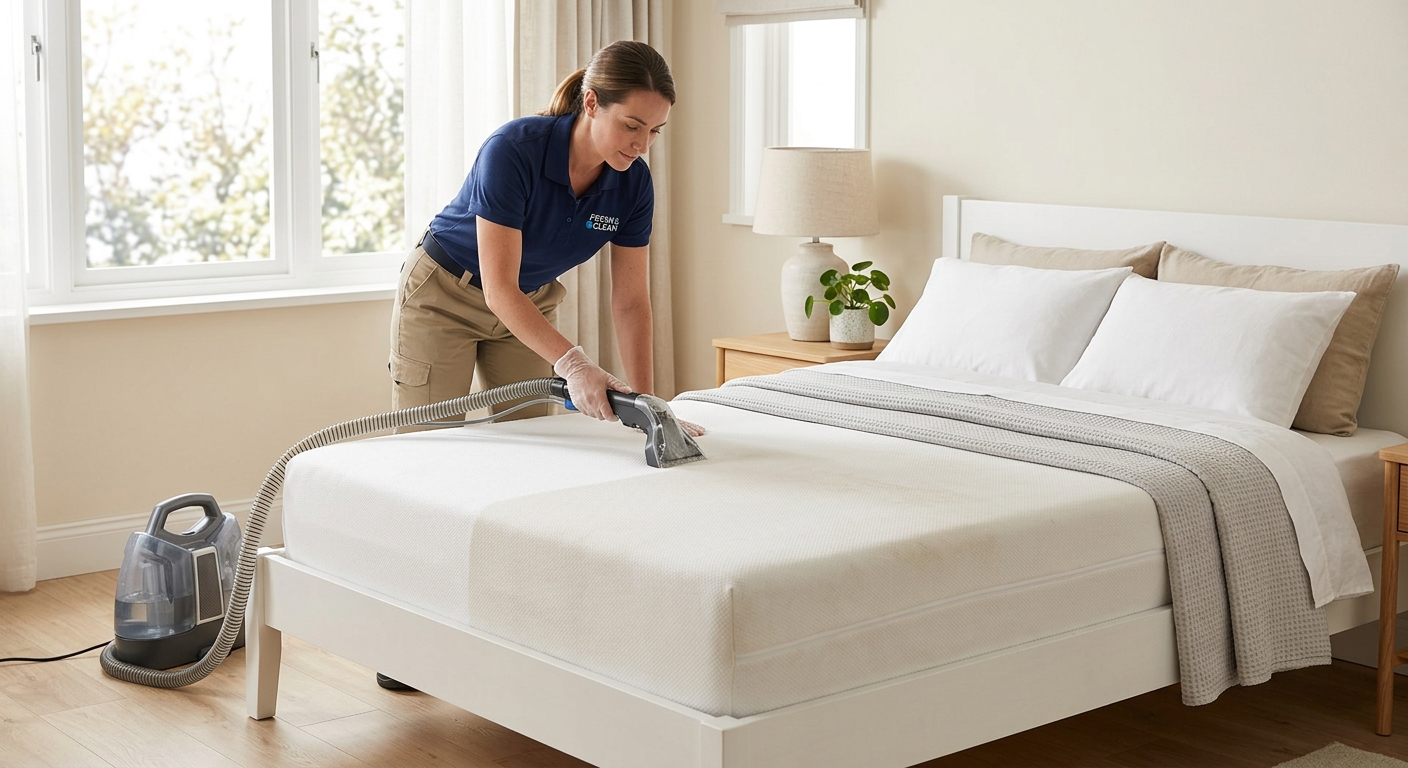
A clean mattress can make your bedroom feel fresher and more comfortable. Over time, mattresses can collect dust, sweat, skin cells, and everyday odors, even when they are protected by sheets.
The good news is that you don’t need expensive equipment to give your mattress a thorough refresh. With a few simple supplies and the right approach, you can clean your mattress at home while avoiding unnecessary moisture that could damage it.
In this guide, we’ll walk you through a simple, step-by-step method for cleaning your mattress, dealing with common stains, and keeping it fresh for longer.
What You’ll Need
- A vacuum cleaner with an upholstery attachment
- Baking soda
- Mild dish soap
- Clean, white cloths
- A small bowl
- Cold or lukewarm water
1. Strip the Bed
Start by removing all sheets, blankets, pillowcases, and mattress protectors from the bed. Wash your bedding according to the care labels and leave the mattress uncovered while you clean it.
Before using any cleaning solution, check the mattress manufacturer’s care instructions. Different materials can have different cleaning requirements, and some mattresses should not be exposed to excessive moisture.
2. Vacuum the Mattress
Use a vacuum cleaner with an upholstery attachment to slowly clean the entire surface of the mattress. Pay special attention to the seams, edges, and areas where dust and debris can collect.
Move the attachment in overlapping passes rather than rushing across the surface. If your mattress is double-sided and the manufacturer allows it, vacuum the other side as well.
3. Spot-Clean Stains
If you notice stains, treat them individually rather than soaking the entire mattress. Start by checking the manufacturer’s cleaning instructions.
For a simple cleaning solution, mix a small amount of mild dish soap with cold or lukewarm water. Dampen a clean white cloth with the solution and gently blot the stained area. Avoid rubbing aggressively, and use as little moisture as possible.
Afterward, use another clean, slightly damp cloth to remove any soap residue. Allow the area to dry completely before putting the bedding back on.
4. Deodorize With Baking Soda
Once the mattress is vacuumed and any stains have been treated, sprinkle a thin, even layer of baking soda over the surface. Baking soda can help absorb moisture and reduce everyday odors.
Leave it on the mattress for several hours, or longer if convenient. Then vacuum the entire surface thoroughly to remove the baking soda.
Keep the amount moderate and make sure the mattress is completely dry before covering it again.
5. Let the Mattress Dry Completely
Before making the bed, make sure the mattress is completely dry. Good airflow can help speed up the drying process, so leave the mattress uncovered and open a window if conditions allow.
Avoid covering the mattress while it is still damp. Trapped moisture can create an environment where unwanted odors and mold may develop.
If you used any liquid during spot cleaning, give those areas extra time to dry before replacing your sheets and mattress protector.
How to Clean Different Types of Stains
Sweat Stains
Sweat can leave yellowish or darker marks on a mattress over time. Start by vacuuming the area and then gently blot the stain with a small amount of mild soap solution and a clean cloth. Avoid soaking the mattress, and let the area dry completely afterward.
Food and Drink Stains
For food or drink spills, act as soon as possible. Gently blot the area with a clean cloth to absorb as much liquid as you can without rubbing it deeper into the fabric.
Once the excess moisture has been removed, use a small amount of mild soap solution if the manufacturer’s care instructions allow it. Finish by blotting with a clean, slightly damp cloth and allow the mattress to dry completely.
Other Common Stains
For other stains, avoid using strong chemicals unless the mattress manufacturer specifically recommends them. Start with the gentlest cleaning method that is compatible with your mattress.
If a stain is persistent or you are unsure which cleaning method is safe, check the manufacturer’s instructions or consider professional cleaning rather than experimenting with harsh products.
How Often Should You Clean Your Mattress?
A quick mattress refresh can be done every few months, while a deeper cleaning may be needed when you notice visible stains, persistent odors, or a buildup of dust.
Your routine can also depend on your sleeping environment and whether you use a mattress protector. A washable mattress protector can help keep everyday dirt and moisture from reaching the mattress itself.
Rather than following a strict schedule, check your mattress regularly and clean it whenever it needs attention.
How to Keep Your Mattress Clean
- Use a washable mattress protector.
- Wash your sheets and bedding regularly according to their care labels.
- Vacuum the mattress when you change your bedding or notice dust buildup.
- Deal with spills and stains as soon as possible.
- Keep the mattress dry and allow good airflow around the bed.
A few simple habits can make mattress cleaning much easier. Regularly washing your bedding and using a mattress protector can help reduce the amount of dirt and moisture that reaches the mattress.
Frequently Asked Questions
Can I use water to clean a mattress?
You can use a small amount of water for spot cleaning if your mattress manufacturer’s care instructions allow it. Avoid soaking the mattress, as excess moisture can be difficult to remove and may cause problems if it remains trapped inside.
Can I vacuum my mattress?
Yes. Vacuuming is one of the simplest ways to remove dust, debris, and other particles from the surface of a mattress. Use an upholstery attachment and follow the manufacturer’s care instructions.
How long should baking soda stay on a mattress?
For a basic refresh, leave baking soda on the mattress for several hours before vacuuming it thoroughly. Make sure the mattress stays dry and follow the manufacturer’s care instructions.
How can I keep my mattress from smelling?
Regularly washing your bedding, using a mattress protector, vacuuming the mattress, and keeping the sleeping area well ventilated can help reduce everyday odors. If an unusual smell persists, check the manufacturer’s recommendations before trying additional cleaning products.
Final Thoughts
Cleaning your mattress does not have to be complicated. Regular vacuuming, careful spot cleaning, and good airflow can help keep it fresher and more comfortable over time.
The most important thing is to avoid excessive moisture and always check your mattress manufacturer’s care instructions before using a cleaning solution.
With a few simple habits and regular maintenance, you can keep your mattress in better condition for longer.