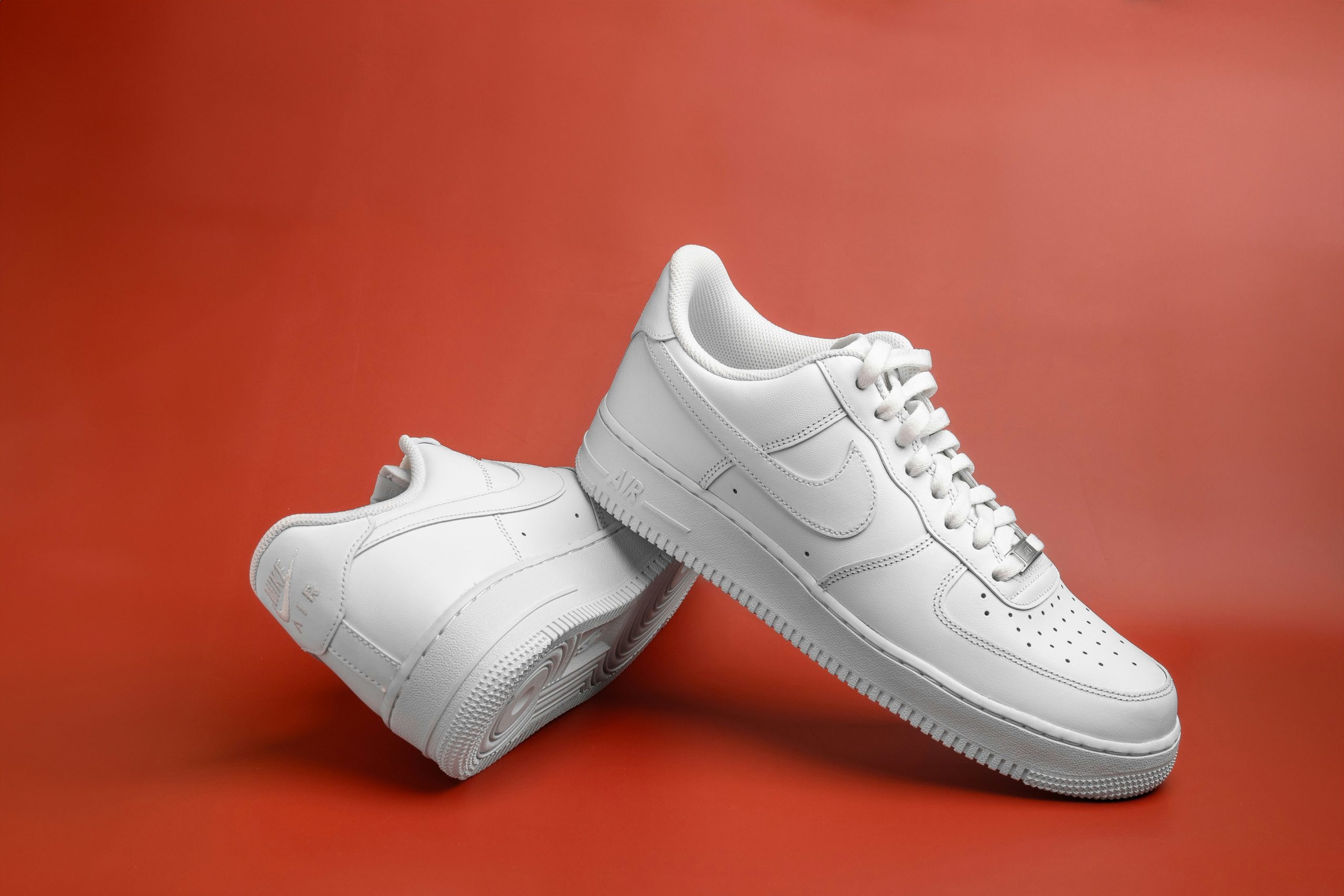
White shoes look great when they’re clean, but they also have a way of showing every little mark, scuff, and stain. The good news is that you usually don’t need expensive products or complicated techniques to bring them back to a cleaner, brighter appearance.
The most important thing to remember is that the best way to clean white shoes depends on what they’re made of. Canvas, leather, mesh, and suede all require slightly different approaches.
In this guide, we’ll show you how to clean white shoes step by step, how to clean different materials, how to deal with dirty soles and laces, and how to avoid common mistakes that can damage your shoes.
What You’ll Need
Before you start, gather a few basic supplies:
- A soft-bristled brush or old toothbrush
- A clean microfiber cloth
- Mild dish soap or a mild detergent
- A small bowl
- Warm or cool water
- Clean paper towels
- Baking soda, if appropriate for your shoe material
- A suede brush and suede eraser for suede shoes
You don’t necessarily need every item on this list. The materials you need will depend on the type of shoe you’re cleaning.
Before You Start: Check the Material
Before putting any water or cleaning solution on your shoes, check what they’re made of.
Look at the manufacturer’s care instructions if they’re available. If you’re unsure about a cleaning product, test it on a small, hidden area first.
Canvas
Canvas is generally durable and can usually handle gentle scrubbing with a mild cleaning solution.
Leather
Leather should not be soaked. Use a small amount of water and a gentle cleaner, preferably one designed for leather.
Mesh
Mesh can be delicate. Use a soft brush or cloth and avoid aggressive scrubbing, which can damage the fibers.
Suede
Suede needs special care and should generally be cleaned with dry methods and products designed specifically for suede.
How to Clean White Shoes Step by Step
For many canvas, synthetic, and mesh shoes, you can start with this basic cleaning process.
1. Remove the Laces and Insoles
Take the laces out of your shoes before cleaning them.
If the insoles can be removed safely, take those out too. Cleaning these parts separately makes it easier to reach the entire shoe.
Set the laces and insoles aside while you clean the main part of the shoe.
2. Remove Loose Dirt
If your shoes have mud on them, allow the mud to dry before trying to remove it.
Use a soft-bristled brush to gently remove loose dirt and dust from the upper and soles.
Starting with a dry brush helps prevent dirt from turning into a muddy mess when you add water.
3. Make a Mild Cleaning Solution
Add a small amount of mild dish soap to a bowl of water.
You don’t need a highly concentrated mixture. A gentle solution is usually enough for everyday dirt.
Avoid using strong cleaning chemicals unless the manufacturer specifically recommends them for your shoes.
4. Clean the Shoes Gently
Dip a soft brush or microfiber cloth into the cleaning solution.
Work on the shoe in small sections using gentle circular motions. Pay extra attention to visibly dirty areas, but avoid applying excessive pressure.
For mesh, use an especially light touch because the fibers can be more delicate.
5. Wipe Away the Cleaning Solution
Once you’ve cleaned the surface, use a clean, damp microfiber cloth to remove remaining soap and dirt.
Rinse the cloth regularly with clean water so that you don’t simply spread dirt around the shoe.
6. Clean the Soles
The rubber soles often collect some of the toughest dirt.
Use a soft or medium-bristled brush with your mild cleaning solution and work around the edges and grooves of the sole.
For stubborn marks on rubber, a slightly damp melamine sponge can sometimes help. Use it gently and only on suitable surfaces because it works by light abrasion.
7. Let the Shoes Air Dry
After cleaning, remove as much excess moisture as possible with a clean towel.
Stuff the shoes loosely with white paper towels if you want to help them maintain their shape and absorb moisture.
Then let them air dry at room temperature.
Keep them away from radiators, hair dryers, and other direct heat sources. Excessive heat can damage some materials and adhesives.
How to Clean White Canvas Shoes
Canvas is one of the more forgiving materials, but it can absorb dirt and stains.
Start by removing loose dirt with a dry brush.
Then make a mild mixture of water and dish soap. Apply the solution with a soft brush and gently work over the stained areas.
For more persistent marks, you can use a small amount of baking soda mixed with water to create a paste. Test it on a less visible area first, then apply it gently to the stain.
After cleaning, wipe away the residue with a damp microfiber cloth and allow the shoes to air dry completely.
Always check the manufacturer’s care instructions before putting canvas shoes in a washing machine. Some shoes may be machine washable, while others can be damaged by the washing process.
How to Clean White Leather Shoes
White leather needs a gentler approach.
First, remove loose dirt with a soft, dry cloth or brush.
Then mix a small amount of mild soap with water. Dampen a microfiber cloth rather than soaking the shoe.
Gently wipe the leather in small sections.
After cleaning, use another clean, slightly damp cloth to remove any remaining soap.
Allow the shoes to dry naturally at room temperature.
Once completely dry, you can use a leather conditioner if the manufacturer recommends one for your particular shoes.
Avoid soaking leather shoes or aggressively scrubbing the surface. Too much moisture or friction can damage the finish.
How to Clean White Mesh Shoes
Mesh shoes need a lighter touch than many canvas shoes.
Start by removing the laces and brushing away loose dirt with a soft-bristled brush.
Mix warm water with a small amount of mild dish soap.
Dip a microfiber cloth or very soft brush into the solution and gently clean the mesh.
Avoid pressing hard or scrubbing aggressively. Excessive friction can stretch, fray, or damage the mesh.
When you’re finished, wipe the shoes with a clean, damp cloth to remove soap residue.
Allow them to air dry away from direct heat and sunlight.
How to Clean White Suede Shoes
Suede is different from canvas, leather, and mesh.
Don’t use the same wet-cleaning method described above on suede.
Make sure the shoes are completely dry before cleaning them. Then use a suede brush to gently remove surface dirt and restore the texture.
For small scuff marks, a suede eraser can help. Rub gently and avoid excessive pressure.
For difficult stains, follow the care instructions provided by the shoe manufacturer or use a cleaner specifically designed for suede.
If you’re unsure how a product will react, test it on a hidden area first.
How to Clean White Shoelaces
Cleaning the laces separately can make a surprisingly big difference.
Remove the laces and shake or brush off loose dirt.
Place them in a bowl of warm water with a small amount of mild detergent. Let them soak for a short period, then gently rub the fabric together to loosen dirt.
Rinse thoroughly with clean water and allow the laces to air dry completely before putting them back into your shoes.
If the laces are particularly dirty, repeat the process rather than immediately reaching for a harsh chemical.
How to Clean White Shoe Soles
The rubber parts of white shoes can often be cleaned separately from the upper.
Use a damp brush and mild soap to work into the grooves of the sole.
For small scuff marks on suitable rubber surfaces, a damp melamine sponge can help remove surface marks. Use gentle pressure because melamine sponges are mildly abrasive.
Once finished, wipe the sole with a clean damp cloth.
How to Remove Stubborn Stains From White Shoes
Some stains require more patience than a simple soap-and-water cleaning.
The safest approach is to first identify the shoe material and the type of stain.
For fabric shoes, a small amount of baking soda mixed with water can sometimes help with surface stains. Always test the mixture first.
For leather, use a cleaner appropriate for leather rather than applying household mixtures indiscriminately.
For suede, stick to suede-specific cleaning methods.
If a stain doesn’t come out after one gentle treatment, it’s usually better to repeat the process than to aggressively scrub the material.
How to Clean White Shoes Without Turning Them Yellow
Yellowing can happen for several reasons, including oxidation, residue, UV exposure, and improper cleaning or drying.
One of the most important things you can do is avoid excessive heat while drying your shoes.
After cleaning:
- Remove excess moisture with a clean towel.
- Stuff the shoes loosely with paper towels if needed.
- Let them air dry at room temperature.
- Keep them away from direct heat.
- Make sure cleaning residue has been properly removed.
If your shoes are already yellow, don’t immediately assume that a stronger chemical will solve the problem. The safest treatment depends on the material and the cause of the discoloration.
Can You Put White Shoes in the Washing Machine?
Sometimes, but not every pair of shoes should go in a washing machine.
The manufacturer’s care instructions should always come first.
Canvas or synthetic shoes may sometimes be machine washable, while leather and suede generally require different care.
If your shoes are labeled as machine washable, follow the manufacturer’s instructions carefully and use an appropriate gentle cycle.
When in doubt, hand cleaning is usually the safer option.
Common Mistakes to Avoid
Using Too Much Water
Soaking shoes can cause problems, particularly with leather, suede, adhesives, and some synthetic materials.
Scrubbing Too Hard
More pressure doesn’t necessarily mean cleaner shoes. Aggressive scrubbing can damage fibers, finishes, and delicate materials.
Using Harsh Chemicals
Bleach and other strong chemicals can damage materials or cause unwanted discoloration. Don’t assume that a stronger product will produce a better result.
Drying Shoes With Direct Heat
Radiators, hair dryers, and other intense heat sources can damage certain materials and adhesives.
Treating Every Material the Same
This is one of the biggest mistakes you can make.
The method that works well for canvas isn’t automatically suitable for leather or suede.
Skipping the Care Label
If the manufacturer provides cleaning instructions, check them before trying a new method.
How to Keep White Shoes Clean Longer
Cleaning your shoes regularly is easier than waiting until dirt has built up for months.
Here are some simple habits that can help:
- Wipe away stains as soon as you notice them.
- Brush off loose dirt after wearing your shoes outdoors.
- Store shoes somewhere clean and dry.
- Don’t leave damp shoes in a closed bag.
- Clean the soles regularly.
- Follow the manufacturer’s care instructions.
- Use a suitable protective product if recommended for your shoe material.
A quick five-minute clean can often prevent a much bigger cleaning job later.
How Often Should You Clean White Shoes?
There’s no single schedule that works for everyone.
If you wear your white shoes frequently, check them regularly and clean visible dirt before it becomes difficult to remove.
Shoes used outdoors or in muddy conditions may need cleaning more often than shoes worn occasionally.
Instead of waiting for your shoes to become heavily stained, spot-clean them whenever necessary and give them a deeper clean when they start looking noticeably dirty.
Frequently Asked Questions
What is the best way to clean white shoes?
For many canvas, synthetic, and mesh shoes, a mild soap-and-water solution with a soft brush or microfiber cloth is a good starting point. However, the best method depends on the shoe’s material.
Can I use baking soda to clean white shoes?
Baking soda can be useful for some fabric shoes and certain surface stains. However, it isn’t appropriate for every material. Always check the manufacturer’s instructions and test a small area first.
Can I use bleach on white shoes?
It’s best not to use bleach unless the shoe manufacturer specifically recommends it. Strong chemicals can damage materials, adhesives, or finishes and may cause discoloration.
How do I clean white shoes without damaging them?
Identify the material first, use the mildest effective cleaning method, avoid excessive water and scrubbing, and allow the shoes to air dry naturally.
How do I clean white shoes that have turned yellow?
First identify why they’re yellow and what material the shoes are made from. Avoid immediately using harsh chemicals. Gentle cleaning and proper drying are safer starting points.
Can I wash white shoes in the washing machine?
Some shoes can be machine washed, but others cannot. Always check the manufacturer’s care instructions first. Leather and suede generally require specialized cleaning methods.
Final Thoughts
Learning how to clean white shoes doesn’t have to be complicated.
The key is to start gently, identify the material, and use the right cleaning method for that material. Regular cleaning can also prevent dirt and stains from becoming much harder to remove.
Whether you’re cleaning canvas sneakers, leather shoes, mesh trainers, or suede footwear, taking a few extra minutes to use the correct method can help keep your white shoes looking their best for longer.
If you found this guide useful, check out our other cleaning guides at Cleanafe for more practical ways to keep your home and everyday items clean and organized.