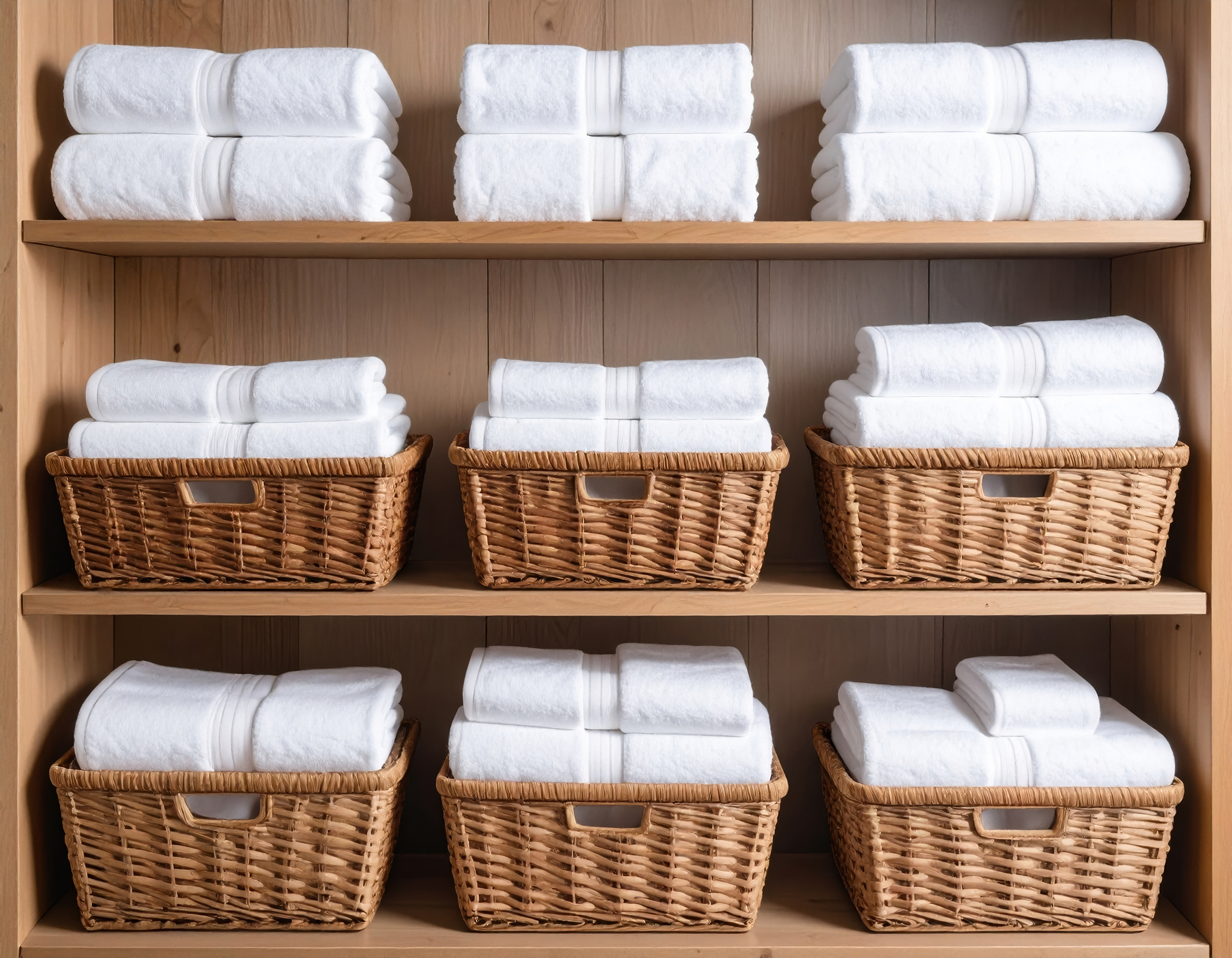
Nothing is worse than washing a towel, drying it, and then catching that unmistakable musty smell the next time it gets wet.
If your towels smell sour, damp, or musty even after washing, throwing more detergent or fragrance at the problem usually isn’t the answer. The odor often comes from a combination of trapped moisture, body oils, detergent or fabric-softener residue, poor drying, or buildup inside the washing machine.
The good news is that most musty towels can be refreshed without replacing them.
We’re also preparing a Cleanafe Lab test comparing different approaches to persistent towel odor.
Here’s how to get rid of musty towel smell and, more importantly, stop it from coming back.
Quick Answer: How Do You Get Rid of Musty Towel Smell?
Start by washing the towels according to their care label using the hottest suitable cycle and the correct amount of detergent. Avoid fabric softener, don’t overload the machine, and dry the towels completely as soon as the wash ends.
If the smell remains, use an oxygen-based laundry booster according to its label and the towel manufacturer’s care instructions. For persistent odor, inspect and clean the washing machine as well—the machine itself can be contributing to the problem.
The goal isn’t to make the towel smell strongly of fragrance. It’s to remove the residue and moisture conditions that allow the odor to return.
Why Do Towels Smell Musty?
Towels are especially prone to lingering odors because they absorb a large amount of water and come into contact with sweat, body oils, skin debris and soap residue. The same moisture and odor problems can also affect other absorbent household materials, including mattresses. Learn more in our guide on [how to clean a mattress].
Several problems can combine to create that familiar musty smell.
1. The towel stays damp for too long
This is one of the most common causes.
A towel left crumpled on the floor, bunched up on a hook, or sitting wet in a hamper dries slowly. Warm, damp conditions make it much easier for unpleasant odors to develop.
Even a towel that looks dry on the outside can retain moisture in its thicker fibers.
2. Too much detergent
More detergent does not automatically mean cleaner towels.
Using more than the manufacturer’s recommended amount can leave residue behind, particularly when the load is overloaded or the machine does not rinse effectively.
That residue can trap oils, moisture and odors in the fabric.
3. Fabric softener buildup
Fabric softener can make towels feel pleasant initially, but regular use can reduce absorbency and leave residues on the fibers.
If your towels have become less absorbent, feel coated, or develop odors quickly after getting wet, removing fabric softener from your routine is worth testing.
4. Your washing machine may be part of the problem
If several loads of laundry smell strange—not just your towels—the washer deserves attention.
Moisture and residue can accumulate around areas such as door seals, detergent compartments and other parts of the machine, depending on the washer design.
Cleaning the machine according to the manufacturer’s instructions can be just as important as washing the towels themselves.
5. The towels aren’t drying completely
Washing solves only half the problem.
If towels go into a crowded hamper while still damp, sit in the washer for hours after the cycle ends, or dry slowly in a poorly ventilated bathroom, the musty smell can return.
How to Get Rid of Musty Towel Smell
Follow these steps in order rather than immediately adding stronger and stronger cleaning products.
Step 1: Check the care label
Before changing the wash temperature or using any laundry additive, check the towel’s care label.
Different fabrics, dyes and finishes have different limits. Use the hottest water and dryer setting permitted for that towel rather than assuming hotter is always better.
Step 2: Don’t overload the washing machine
Towels need enough room to move through the wash and rinse properly.
An overloaded drum can make it harder for water and detergent to circulate through thick fabrics.
Wash towels in a reasonably sized load and avoid cramming the drum completely full.
Step 3: Wash with the correct amount of detergent
Use the amount recommended by the detergent manufacturer for your load size and water conditions.
Using significantly more detergent is not a shortcut to cleaner towels.
If you suspect detergent buildup, an additional rinse can help remove remaining residue.
Step 4: Skip fabric softener
For towels with persistent odor, temporarily stop using fabric softener.
This also makes it easier to determine whether residue is part of the problem.
You can always reassess your routine once the towels are clean and fresh again.
Step 5: Use an oxygen-based booster for stubborn odors
If normal laundering isn’t enough, an oxygen-based laundry product can be useful for suitable towels.
Always check the product label and towel care instructions before use. Colorfastness and fabric compatibility matter, and not every towel should be treated the same way.
Use the product exactly as directed rather than creating a stronger mixture yourself.
Step 6: Dry the towels immediately and completely
This step is easy to underestimate.
As soon as the wash finishes, remove the towels and dry them thoroughly.
For air-drying, spread towels out so air can move around them instead of folding or bunching them together. Good airflow matters.
For machine drying, follow the towel’s care label and make sure the towel is fully dry before putting it away.
Never store a towel while it is still damp.
| Problem | What to do |
|---|---|
| Mild odor | Normal wash + thorough drying |
| Persistent odor | Oxygen-based laundry booster, if compatible |
| Smell returns when wet | Check drying and residue |
| Entire load smells | Clean and inspect the washer |
| Towel remains musty after repeated proper washing | Consider replacing it |
Should You Use Vinegar to Remove Musty Towel Smell?
White vinegar is one of the most popular DIY suggestions for musty laundry, and it may help with some types of residue or mineral buildup.
However, vinegar should not be presented as a substitute for a proper disinfectant, and it should never be mixed with chlorine bleach or other incompatible cleaning chemicals.
If you choose to use vinegar in laundry, follow the towel and washing-machine manufacturer’s guidance and use it separately from chlorine bleach.
The important point is that vinegar is not a magic solution. If the real problem is poor drying, detergent buildup, an overloaded washer or a dirty machine, adding vinegar without fixing those issues will not solve the underlying problem.
Does Baking Soda Get Rid of Musty Towel Smell?
Baking soda is another popular home laundry remedy because it can help with odors and is commonly used as a laundry additive.
But it should not be treated as a guaranteed cure for persistent mildew-like odors.
If you’re dealing with seriously musty towels, concentrate first on:
- proper washing;
- avoiding excess detergent;
- avoiding fabric softener;
- thorough rinsing;
- complete drying;
- and cleaning the washing machine when necessary.
Those changes address the conditions that allow odors to keep returning.
Why Do My Towels Smell After Washing?
If a to
| When does it smell? | Most likely area to investigate |
|---|---|
| Immediately after washing | Washer, detergent, rinse |
| After drying | Incomplete drying or residue |
| Only when wet again | Residue + moisture |
| Several towels smell | Washing machine/load |
| Only one old towel smells | Towel condition |
What If the Musty Smell Keeps Coming Back?
Recurring odor usually means the cause hasn’t been fixed.
Work through this checklist:
Your towels
Are they being washed thoroughly?
Are you using too much detergent?
Are you using fabric softener?
Are they completely dry before storage?
Your washing machine
Does the machine itself smell?
Is the detergent drawer dirty?
Does the door seal or another accessible area have visible residue?
Are you following the machine manufacturer’s cleaning and maintenance instructions?
Your bathroom
Does the room stay humid for long periods?
Are towels hanging bunched together?
Is there enough ventilation?
A towel cannot stay fresh if it repeatedly goes from shower → damp bathroom → slow drying → damp storage.
How to Prevent Towels From Smelling Musty
Once you’ve removed the existing odor, prevention is much easier.
Hang towels properly after use
Don’t leave a wet towel in a heap.
Spread it out so more of the surface is exposed to air.
Don’t leave wet towels in the washing machine
Move them to the drying stage as soon as possible after the cycle ends.
Give towels enough room to dry
The faster a towel dries, the less time it spends damp.
Improve bathroom ventilation and avoid piling multiple wet towels on top of one another.
Wash towels separately when appropriate
Towels can produce a lot of lint and absorb significant amounts of water. Washing them in a suitable load can make it easier for the machine to clean and rinse them properly.
Don’t overdo detergent
Follow the product instructions instead of assuming more product means better cleaning.
Consider using less or no fabric softener
If odor and absorbency are ongoing problems, removing fabric softener from your routine is an easy experiment.
Clean the washing machine regularly
Follow the cleaning procedure recommended by your washer manufacturer.
If the machine smells bad, fixing the towels without fixing the machine may only provide a temporary result.
How Often Should You Wash Bath Towels?
There isn’t a single perfect schedule for every household.
How quickly a towel becomes dirty depends on how often it is used, how completely it dries between uses, the bathroom environment, and personal circumstances.
The important rule is simple: if a towel stays damp, smells bad, or isn’t drying properly between uses, don’t keep using it indefinitely just because it technically looks clean.
When Should You Replace a Towel?
Not every musty towel needs to be thrown away.
Try correcting the washing and drying routine first.
However, if a towel remains persistently unpleasant despite proper laundering and complete drying—or if the fabric is badly worn, damaged or no longer dries effectively—it may simply be time to replace it.
Final Thoughts
Musty towels usually aren’t asking for more perfume. They’re asking for better laundry habits.
Wash them correctly, avoid unnecessary residue, dry them completely, and don’t ignore a washing machine that smells just as bad as the laundry coming out of it.
And remember: there is no truly “permanent” towel deodorizing trick. If a towel repeatedly stays damp, the smell can return.
Fix the moisture and residue problem, and your towels will stay fresh for much longer.